
Online identity shapes everything you do on the internet. Every login, comment, and transaction creates a digital footprint—but in today’s Web2 world, that identity is controlled by corporations. Platforms store your data, track your behavior, and often monetize your information without full transparency.
A new model is changing this system. Web3 identity introduces a decentralized approach where users, not companies, control their digital presence. Instead of relying on centralized platforms, you can own, manage, and share your identity securely using blockchain technology.
What is Web3 Identity?
Web3 identity, also known as self-sovereign identity (SSI), is a system that allows individuals to fully control their digital identity without depending on third parties. Unlike traditional systems where each website requires separate login credentials, Web3 enables a single, unified identity that works across multiple platforms.
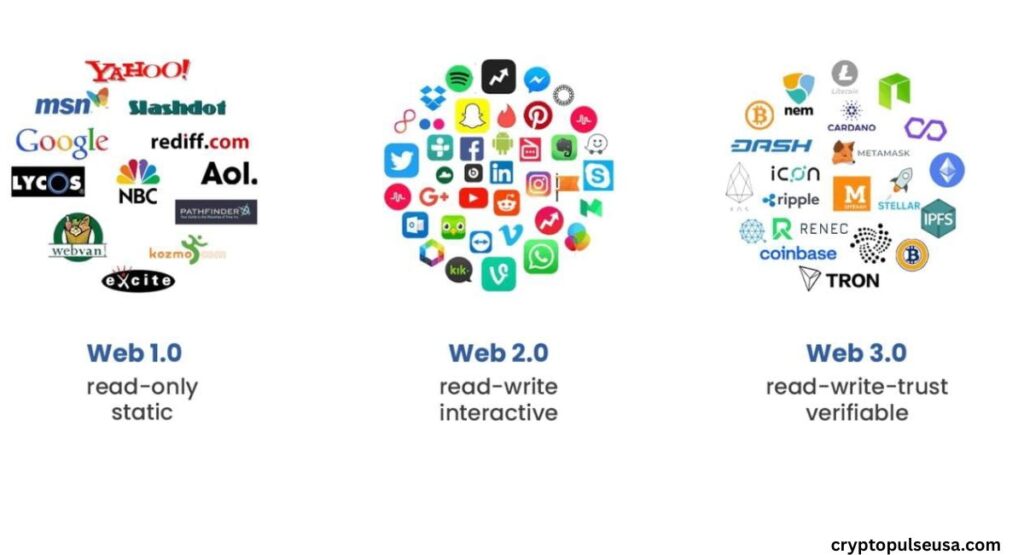
This identity is powered by Decentralized Identifiers (DIDs)—unique digital IDs stored on blockchain networks. These identifiers are managed through a digital wallet, giving users complete authority over their personal data.
In simple terms, Web3 identity removes the middleman. You no longer need to trust companies to store or protect your information. Instead, you decide what data to share, when to share it, and who can access it. This makes Web3 identity a core part of the future of decentralized internet systems.
Key Benefits of Web3 Identity and Digital Ownership
Owning your digital identity changes how you interact online. Instead of being tracked and managed by platforms, you gain independence and control. Below are the most important benefits of decentralized identity systems.
Enhanced Privacy
With Web3 identity, your personal data is not stored on centralized servers. You only share the exact information required, reducing unnecessary exposure and protecting your privacy.
Stronger Security
Blockchain-based identity systems use advanced cryptography, making it extremely difficult for hackers to access your data. There are no central databases to attack, significantly lowering the risk of data breaches.
True Data Ownership
Your identity and credentials are stored in your digital wallet, not owned by any company. This prevents misuse, tracking, and unauthorized data selling.
Reduced Fraud and Identity Theft
Verifiable credentials make it easier to confirm real identities while eliminating fake accounts. This improves trust across digital platforms.
Seamless Interoperability
A single Web3 identity works across multiple apps, games, and services. You don’t need to create new accounts or remember multiple passwords.
Privacy and Security in Web3 Identity Systems
Privacy and security are at the core of Web3 identity. Traditional systems rely on centralized databases, which are vulnerable to hacking and data leaks. In contrast, decentralized identity systems distribute data across secure networks, eliminating single points of failure.
Web3 identity uses cryptographic encryption to protect your information. One of its most powerful features is selective disclosure, which allows users to share only specific details instead of revealing their entire identity.
For example, instead of sharing your full personal profile, you can simply prove that you meet a requirement, such as being over 18 or holding a valid certification. This minimizes data exposure and significantly reduces the risk of identity theft.
How Web3 Identity Works: A Simple Step-by-Step Process
Understanding how Web3 identity works is simple when broken down into steps. The system is designed to be both secure and user-friendly.
First, you create a digital wallet, which acts as your identity hub. This wallet stores your decentralized ID and credentials securely.
Next, you receive verifiable credentials from trusted sources such as universities, employers, or government organizations. These credentials act as proof of your identity or qualifications.
When you log into a website or app, instead of entering a password, you approve the login request through your wallet. This removes the need for traditional login systems and enhances security.
The process works like this:
- Create a secure digital wallet
- Collect verified credentials from trusted issuers
- Use your wallet to log in or verify information
This system eliminates password fatigue, improves security, and gives users full control over their identity.
Real-Life Use Cases of Web3 Identity
Web3 identity is already being used across different industries, proving its real-world value.
Decentralized Finance (DeFi)
Users can verify their identity for KYC requirements without sharing unnecessary personal data. This makes onboarding faster and more secure.
Decentralized Autonomous Organizations (DAOs)
Members can prove token ownership and gain voting rights instantly without complex verification processes.
Blockchain Gaming
Gamers can carry their achievements, assets, and profiles across different games using a single identity.
Social Platforms
Users can interact across multiple communities while maintaining full control over what information they share.
Conclusion: The Future of Digital Identity is Web3
Web3 identity represents a major shift from corporate-controlled data systems to user-owned digital identities. It offers stronger privacy, better security, and complete control over personal information.
As blockchain adoption continues to grow, decentralized identity will become a key part of the digital ecosystem. Users will no longer depend on companies to manage their data—instead, they will own and control it themselves.
Now is the time to explore Web3 identity tools and digital wallets. By adopting this technology early, you can take control of your digital presence and build a more secure and private online future.
FAQ
What is Web3 identity in simple terms?
Web3 identity is a decentralized system where users control their personal data using blockchain technology instead of relying on companies.
What are Decentralized Identifiers (DIDs)?
DIDs are unique blockchain-based IDs that act as secure digital identities across multiple platforms.
Where can Web3 identity be used?
It is used in DeFi platforms, DAOs, gaming, and social networks for secure and seamless identity verification.
Is Web3 identity safe?
Yes, it uses cryptographic encryption and decentralized storage, making it more secure than traditional identity systems.





Leave a Reply